
Mental Health Challenges
Life can bring challenges that affect your thoughts, emotions, relationships, and overall well-being. You don’t have to face them alone. Rather than relying on a single method, our therapists at the Glebe blend evidence-informed approaches and therapeutic perspectives to provide compassionate, personalized support to help you better understand what you’re experiencing, develop effective coping strategies, and move toward meaningful change. Our integrative approach helps clients navigate a wide range of mental health challenges, including:
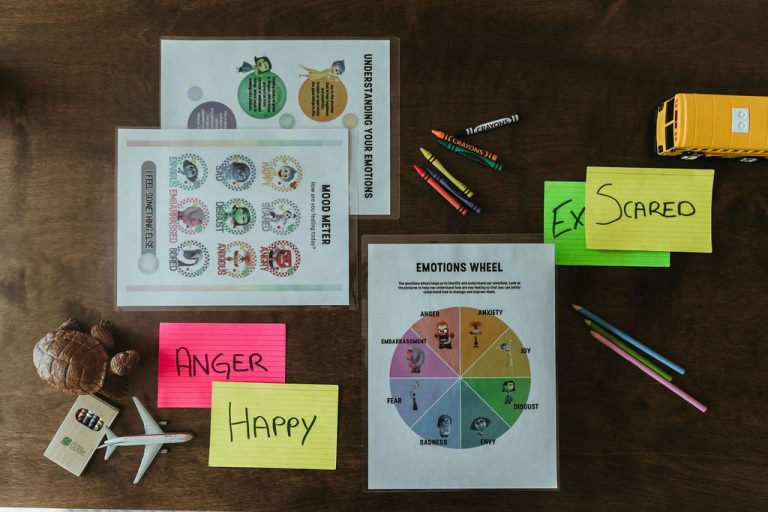
Mood-Related Concerns
These are consistently the most frequent reasons people seek therapy.
- Depression and low mood
- Anxiety (generalized, social, panic)
- Stress and overwhelm
- Irritability, mood swings, emotional dysregulation
- Burnout and exhaustion
Trauma and Overwhelming Experiences
Trauma is one of the fastest-growing presenting concerns in clinical settings.
- Past trauma (single-incident or complex)
- PTSD symptoms
- Childhood emotional neglect
- Abusive relationships (past or current)
Relationship and Interpersonal Concerns
Clients often present with relational distress even when they initially describe an “individual” issue.
- Conflict with partners, family, or friends
- Attachment wounds and patterns
- Breakups, separation, divorce
- Loneliness and isolation
- Boundary difficulties
Identity, Self-Worth, and Life Direction Concerns
These concerns often emerge after initial symptom relief.
- Low self-esteem and self-criticism
- Shame and guilt
- Identity questions (values, purpose, life direction)
- Perfectionism
- Life transitions (school, career, relocation, aging)
Behavioural and Coping Related Concerns
These include patterns clients use to manage distress.
- Substance use
- Eating and body-image concerns
- Compulsive behaviors (shopping, gaming, pornography, etc.)
- Sleep difficulties
- Avoidance patterns and procrastination